Brief Summary…
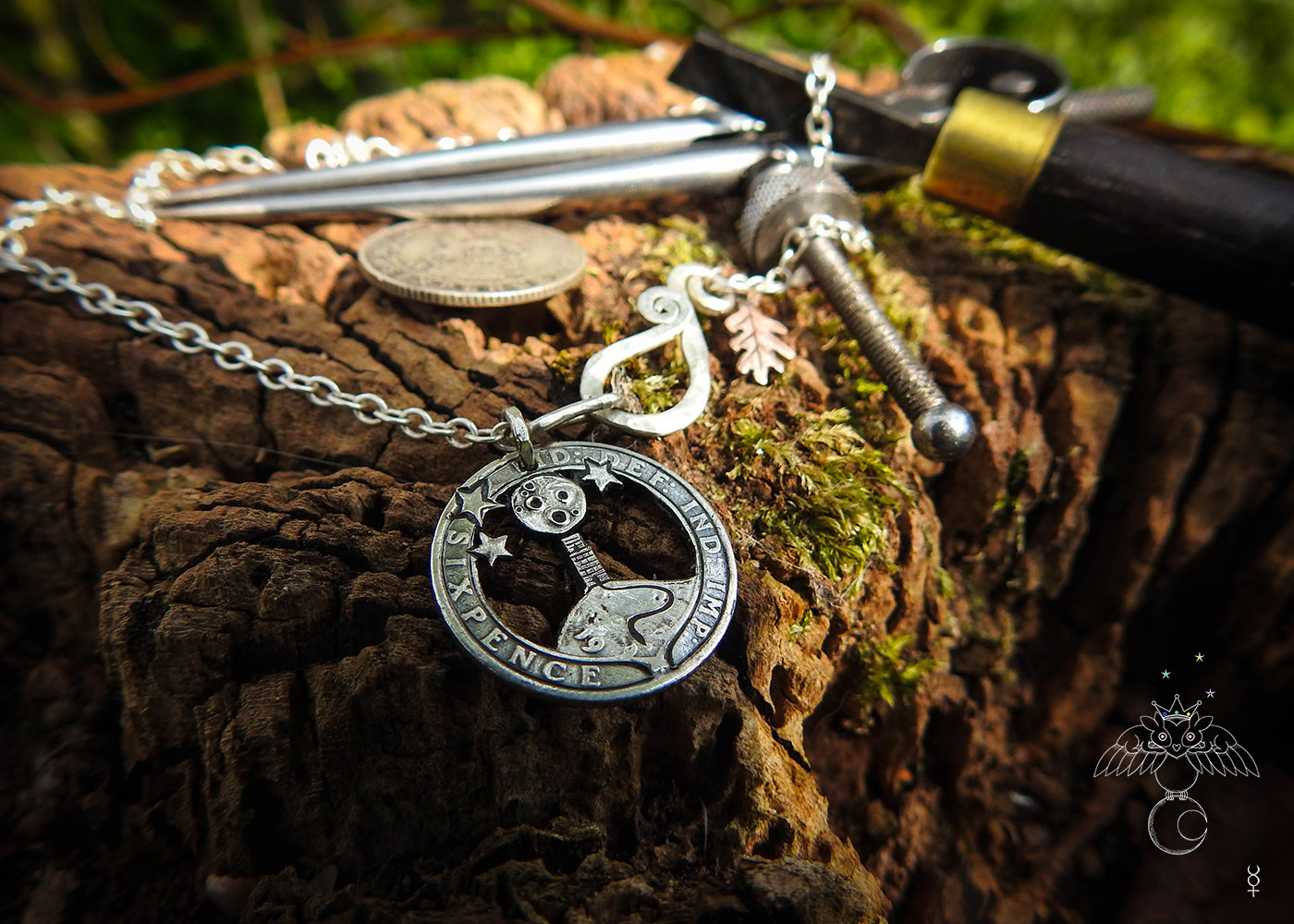
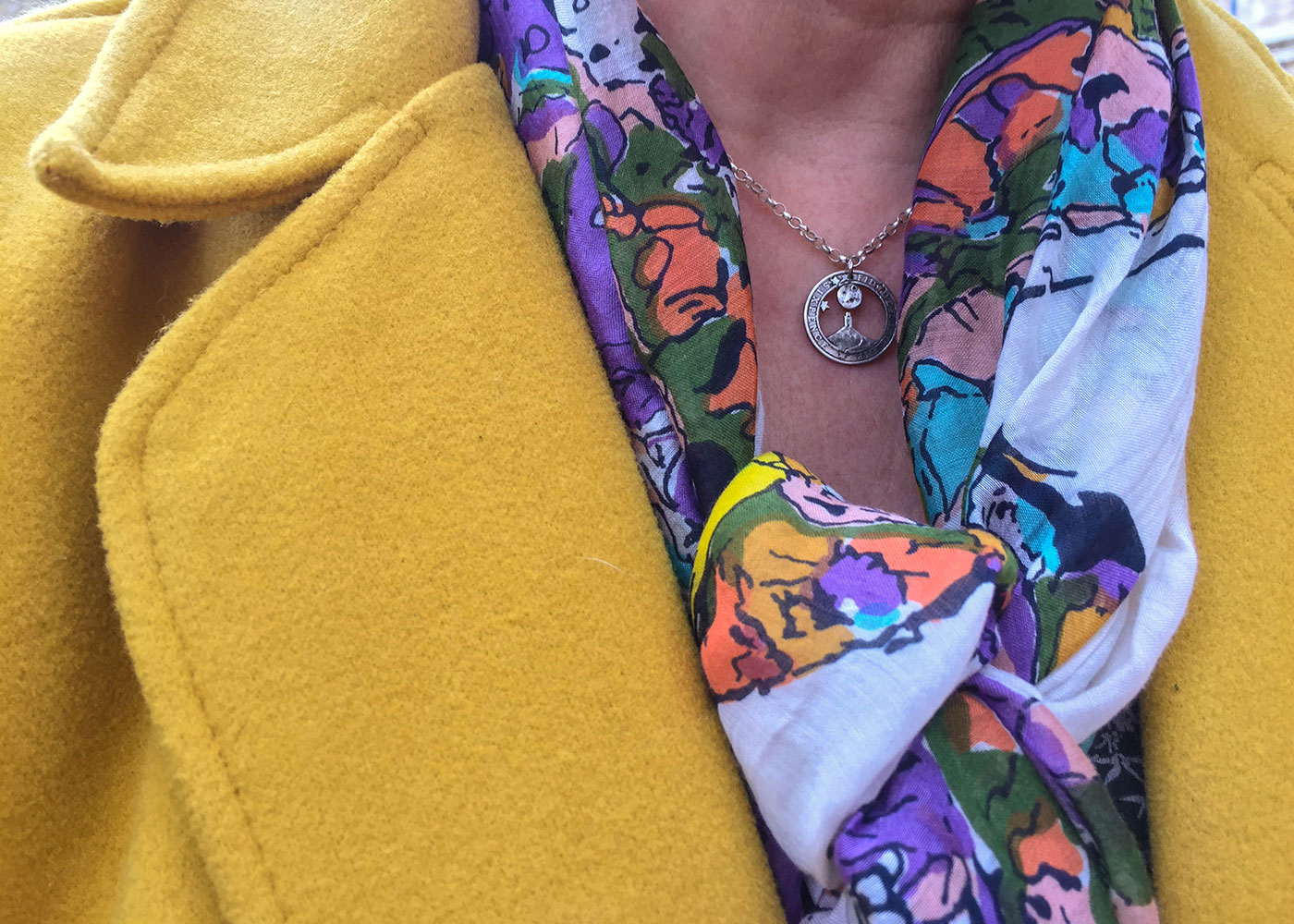
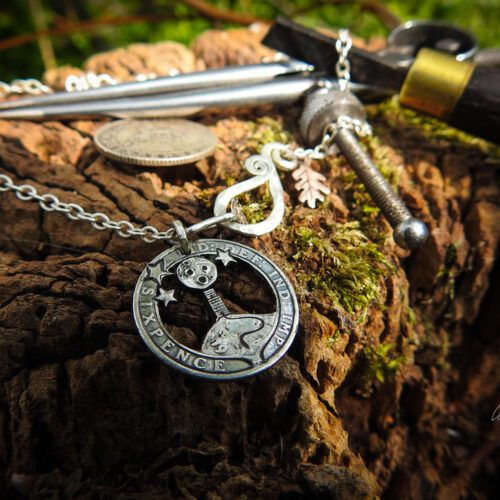
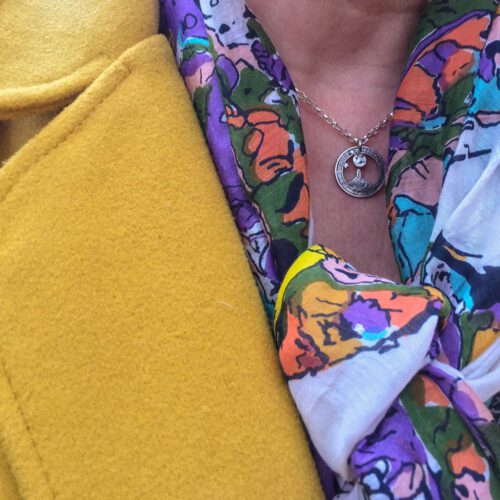
- Glastonbury Tor, Tower & full Moon
- Recycled Georgian sterling silver Sixpence coin
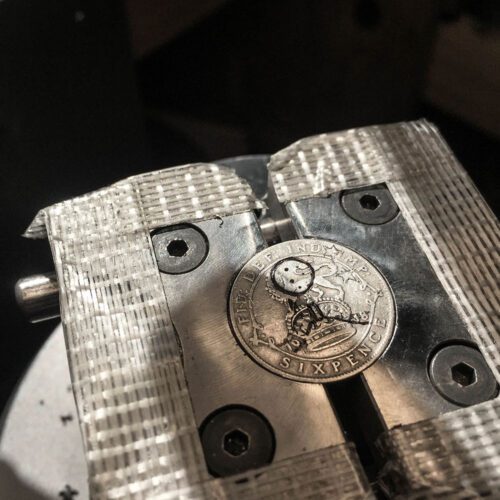
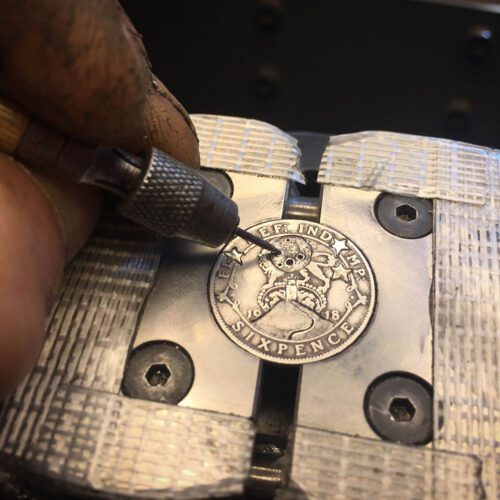
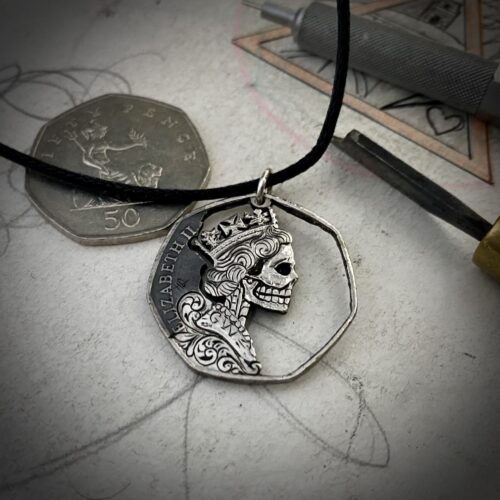
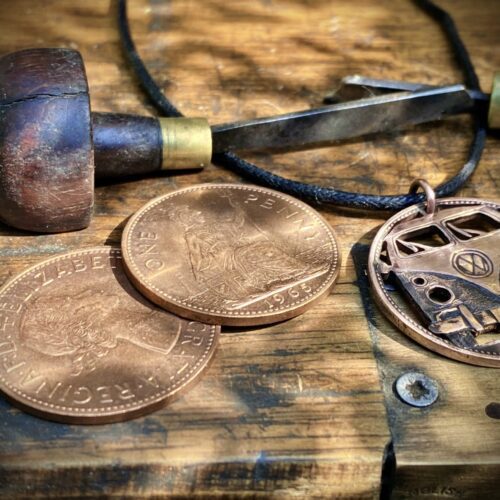
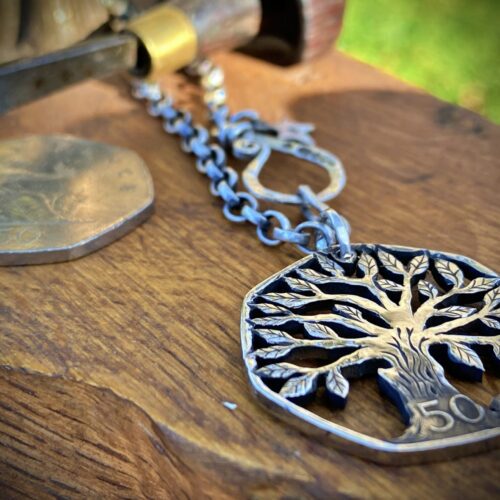
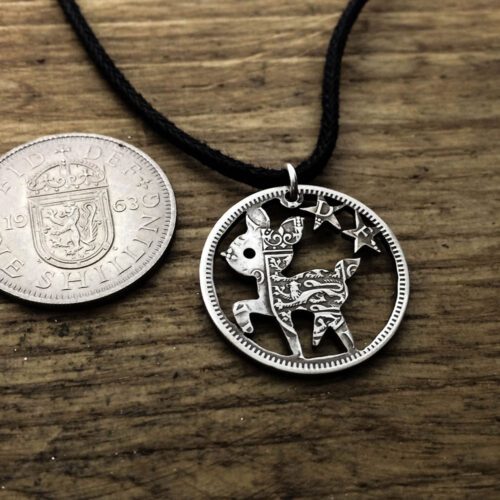
- Meticulously hand cut, carved and engraved
- Made using only traditional hand tools and techniques
- Optional free engraved details on reverse
- Optional Chain: Sterling Silver. Recommend : Finesse / Flourish
- Hairy Growler Shepherd’s Crook Necklace Catch: Sterling Silver
- Size : 19mm diameter
- Symbolism : The soul of our culture
- Handcrafted & Recycled in Cambridge
A little more detail…
Glastonbury Tor
A prominent hill in Somerset, England, is rich in poetic symbolism and spiritual significance. It’s often viewed as a gateway to the Otherworld, a place where the veil between worlds is thin, and is strongly associated with legends of King Arthur and the Isle of Avalon. The Tor’s shape, rising dramatically from the flat landscape, is also seen as a representation of the divine feminine, with some perceiving it as the body of a goddess.
The Tor is frequently linked to the idea of a “thin place,” where the boundary between the earthly and spiritual realms is less distinct. Legends connect it to Annwn, the Celtic underworld, and the Isle of Avalon, the mythical island where Arthur is said to have been taken after his death. The seven terraces circling the Tor are sometimes interpreted as a labyrinth leading to the Otherworld.
The Tor is seen by some as a representation of the goddess, with its shape echoing the form of a reclining female figure. It’s a pilgrimage site for those seeking the divine feminine, and is associated with nurturing and receptive energy. The Tor is often paired with Chalice Hill (representing the pregnant belly) and Wearyall Hill (representing the leg and foot) to complete the image of the goddess’s body.
The Tor is a central location in Arthurian legends, believed to be the site of King Arthur’s castle and his final resting place. It’s associated with the search for the Holy Grail and the story of Joseph of Arimathea, who is said to have arrived in Glastonbury with the Grail. The Glastonbury Thorn, a type of hawthorn tree that flowers twice a year, is also linked to the Arthurian legend and Joseph of Arimathea.
The Tor is situated at the intersection of two major ley lines, the Michael and Mary lines, which are believed to carry specific energies.The Michael line is associated with masculine energy, while the Mary line is linked to feminine energy, creating a place of balance and power where they intersect.
It is considered a place of powerful energy and spiritual significance, conducive to meditation and reflection. It’s a popular destination for those seeking spiritual awakening and connection to higher consciousness. The location is also associated with the heart chakra, symbolizing love, compassion, and unity
The Lucky sixpence itself…
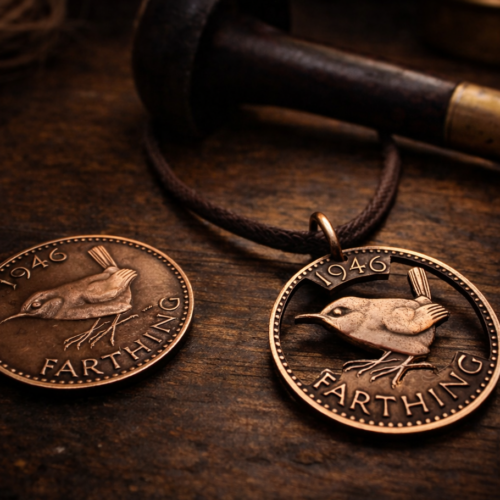
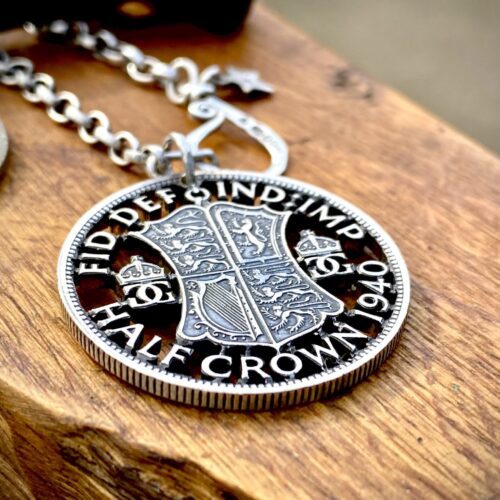
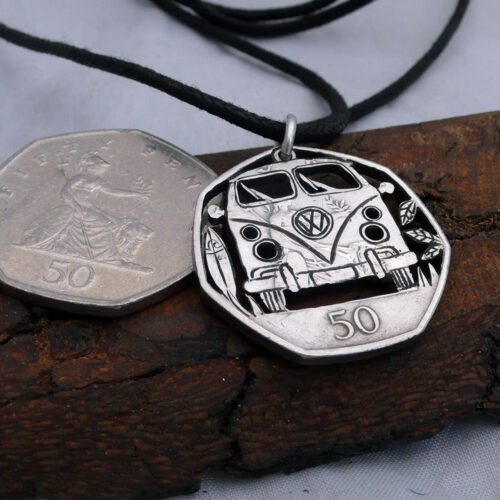
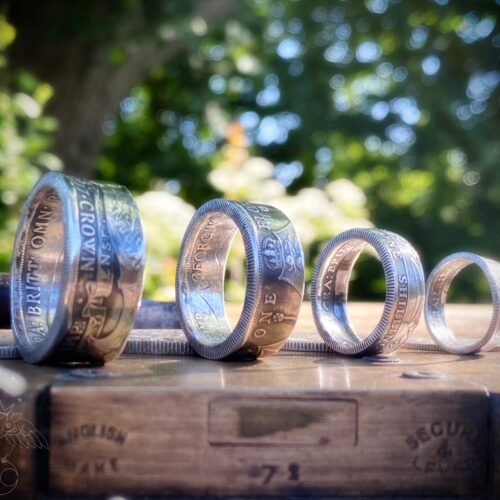
Each pendant is carefully handcrafted to order, using only these recycled sterling silver sixpence coins. The coins themselves are the perfect medium for this beautiful design, inline with a love of nature using these coins is the perfect ethical and green solution. No new silver is destructively ‘mined’, rather, old, uncollectible coins are saved from the ‘melting pot’ so some of their history and story live on.
The lucky sixpence tradition, where the coin is given as a symbol of good luck, has its roots in British history, particularly in wedding and Christmas traditions. Introduced in 1551 during the reign of Edward VI, the sixpence was a circulating coin for centuries. Its association with good luck is linked to various customs, including placing it in a bride’s shoe or including it in a Christmas pudding. The lucky sixpence lore has been firmly establish through many of our traditions. These traditions are part of the soul of our culture.
Origins of the Sixpence as a Lucky Charm:
Wedding Tradition:It’s common for a sixpence to be placed in a bride’s shoe to wish her good fortune. This practice is thought to have originated in the early 1600s when the Lord of the Manor presented the coin as a wedding gift, and later, it became a customary dowry gift.
Christmas Pudding Tradition:Another tradition involves placing a sixpence in the Christmas pudding before it’s cooked. The person who finds the sixpence in their portion on Christmas Day is said to have good luck for the coming year. This tradition is believed to have started during Victorian times, specifically on the Sunday before Advent, known as “Stir Up Sunday,” according to The East India Company Collections.
Fairies and the Sixpence:Some folklore suggests that fairies would reward a tidy maid or housewife by leaving a sixpence in her shoe.
The Sixpence’s History as a Coin:The sixpence was first struck in 1551, during the reign of Edward VI, and was initially a silver coin. It was a popular coin in British pre-decimal coinage for over 400 years. It was demonetized in 1980, but its legacy as a lucky charm endures.
The sixpence’s journey from a circulating coin to a symbol of good luck is a testament to its enduring presence in British culture and tradition.
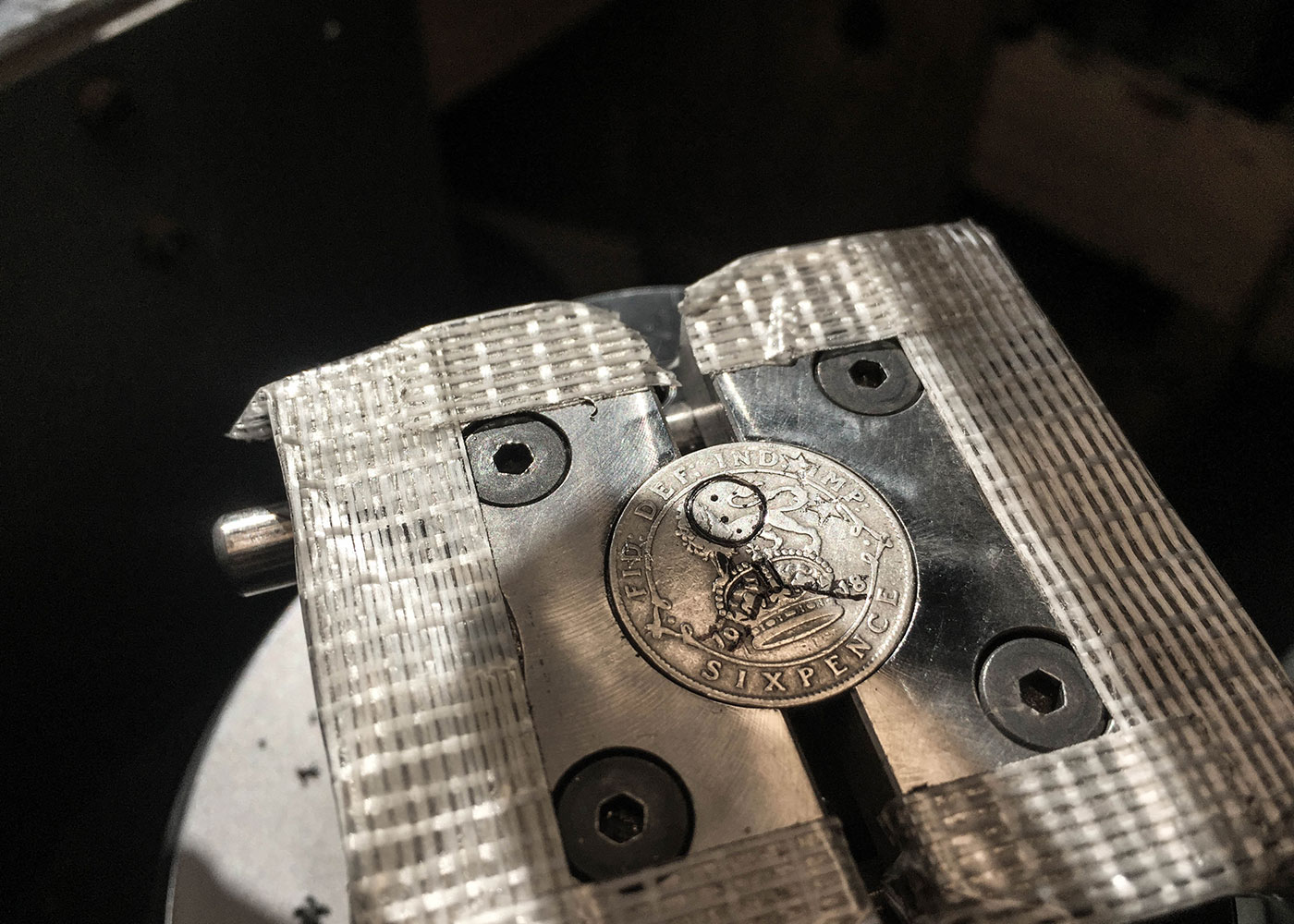
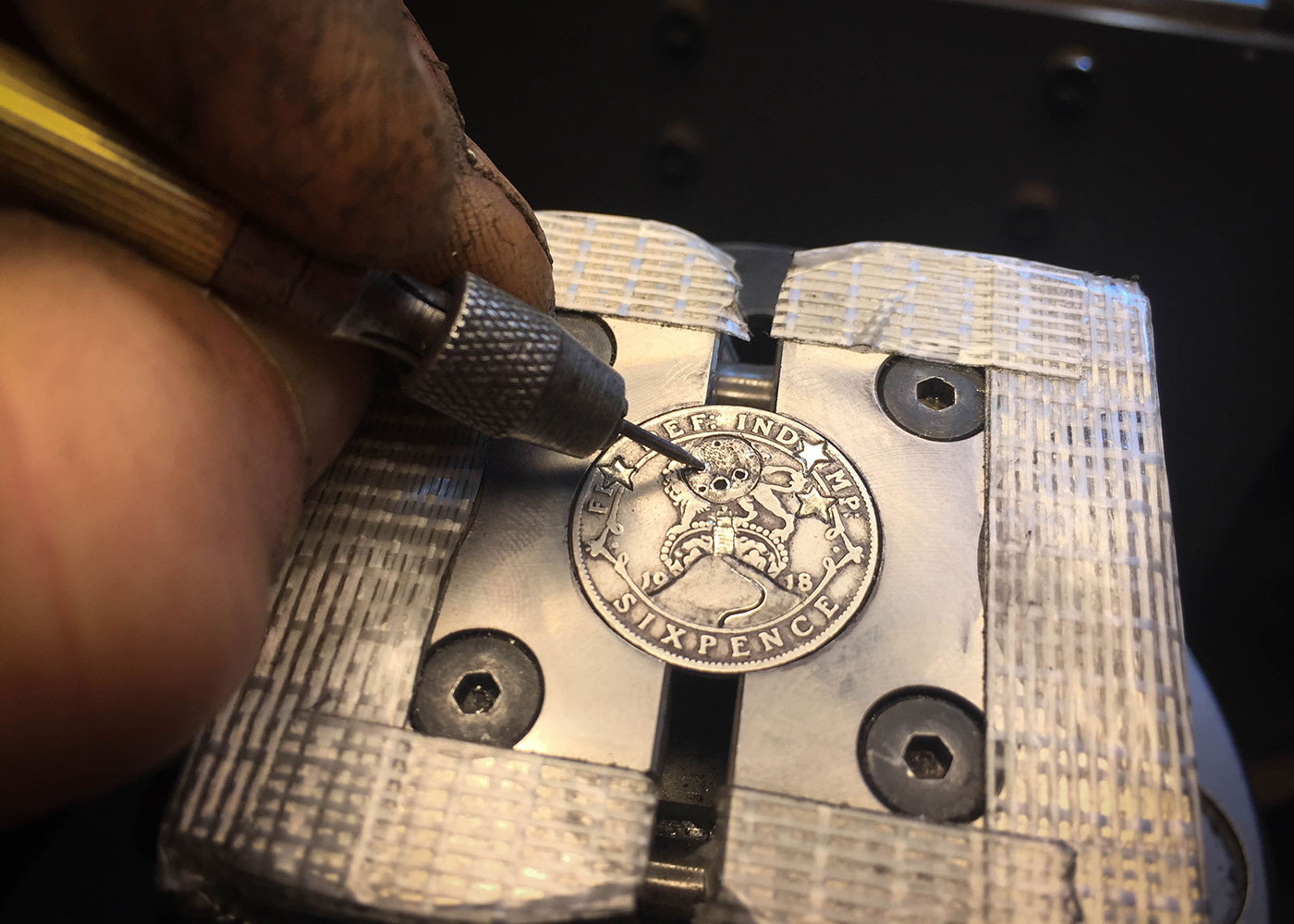
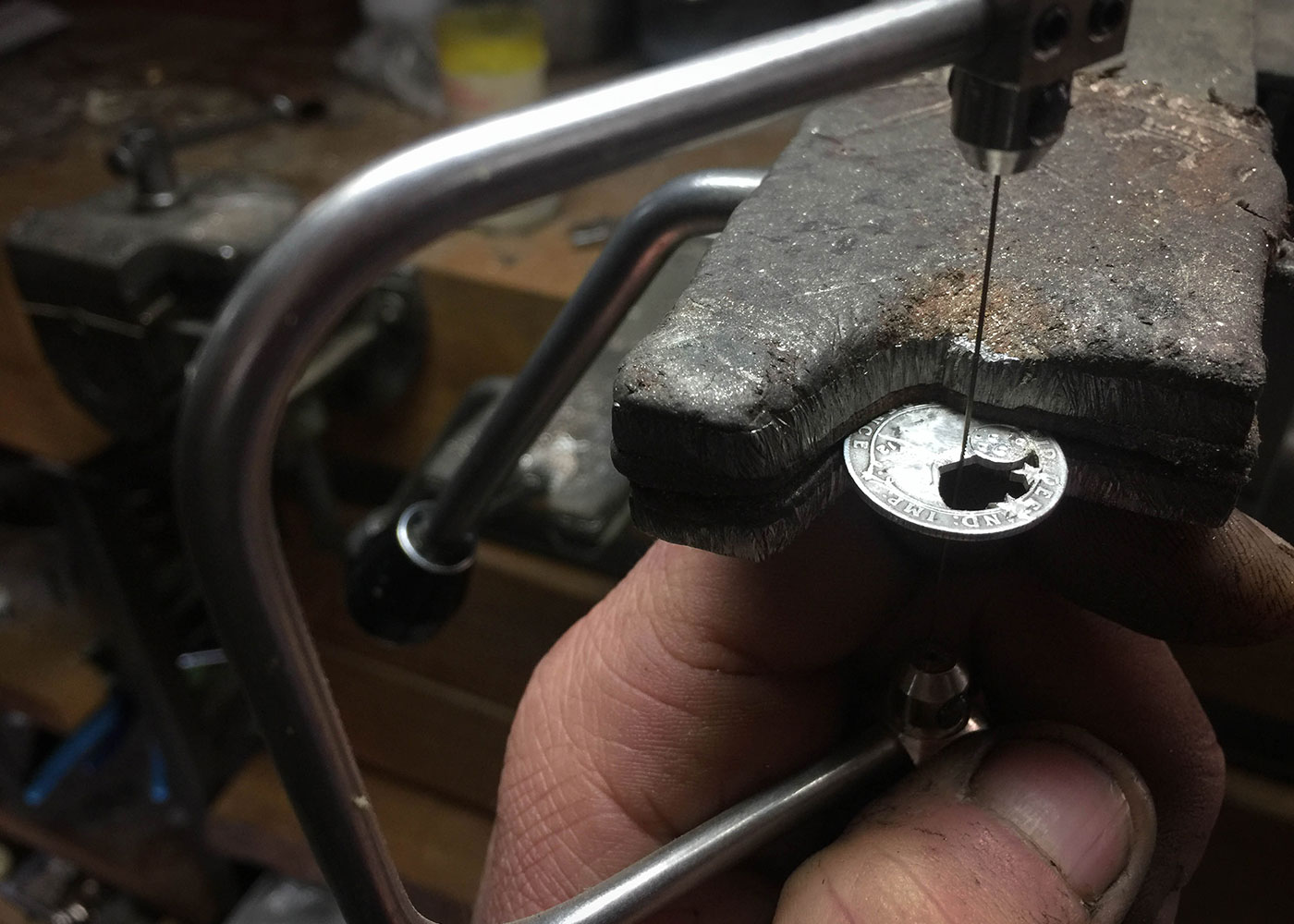
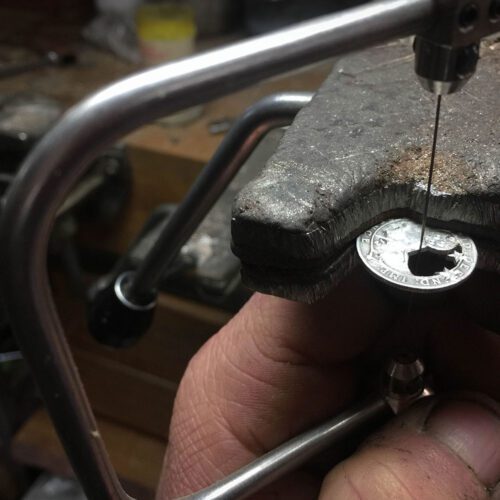
Once the wee Glasto design has been freehand sketched on to the coin it is carefully hand cut and carved using traditional hand saws, chisels and files. This traditional process allows me to have a close connection to each piece, ensuring the end result is personal and unique.






Reviews
There are no reviews yet.