A little more detail…
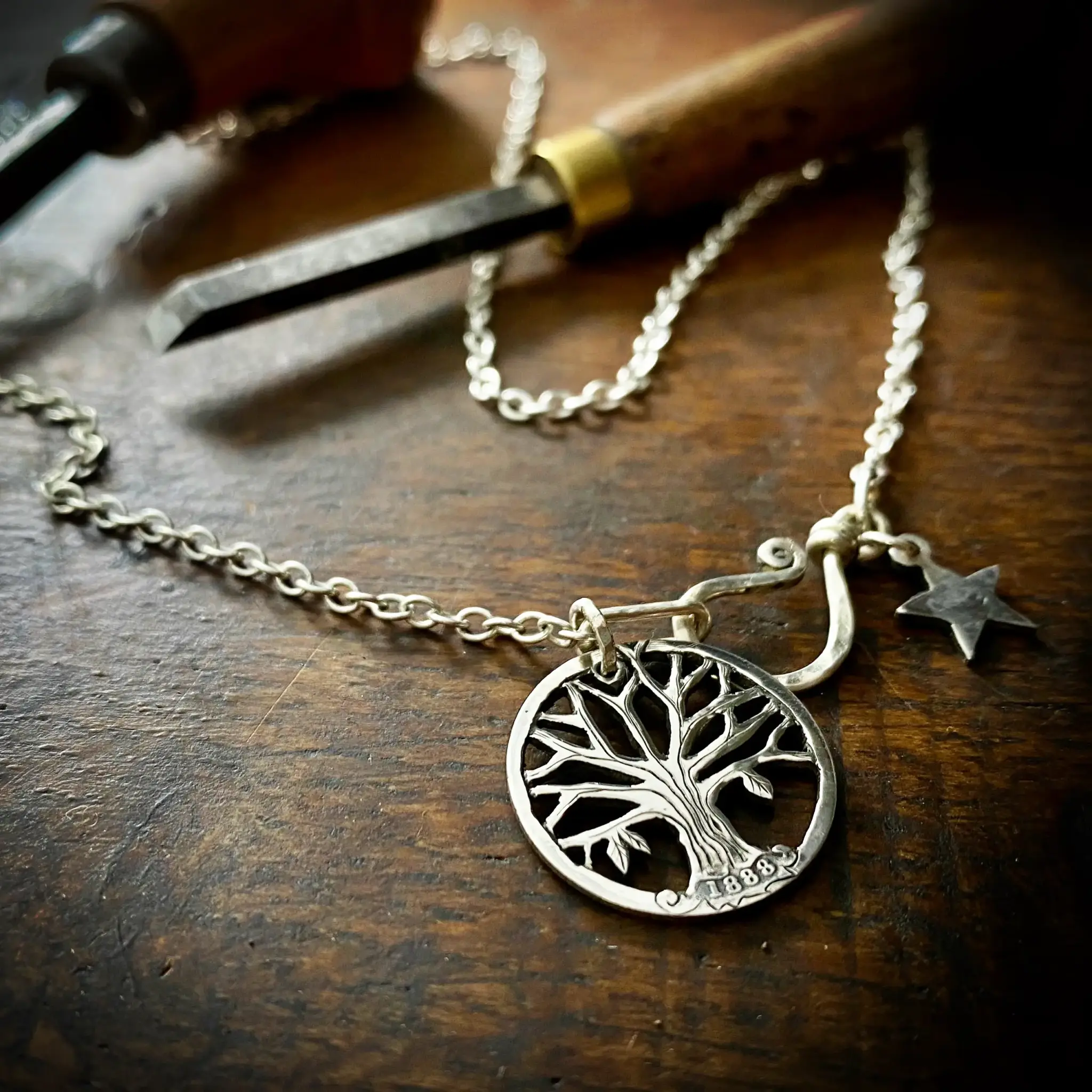
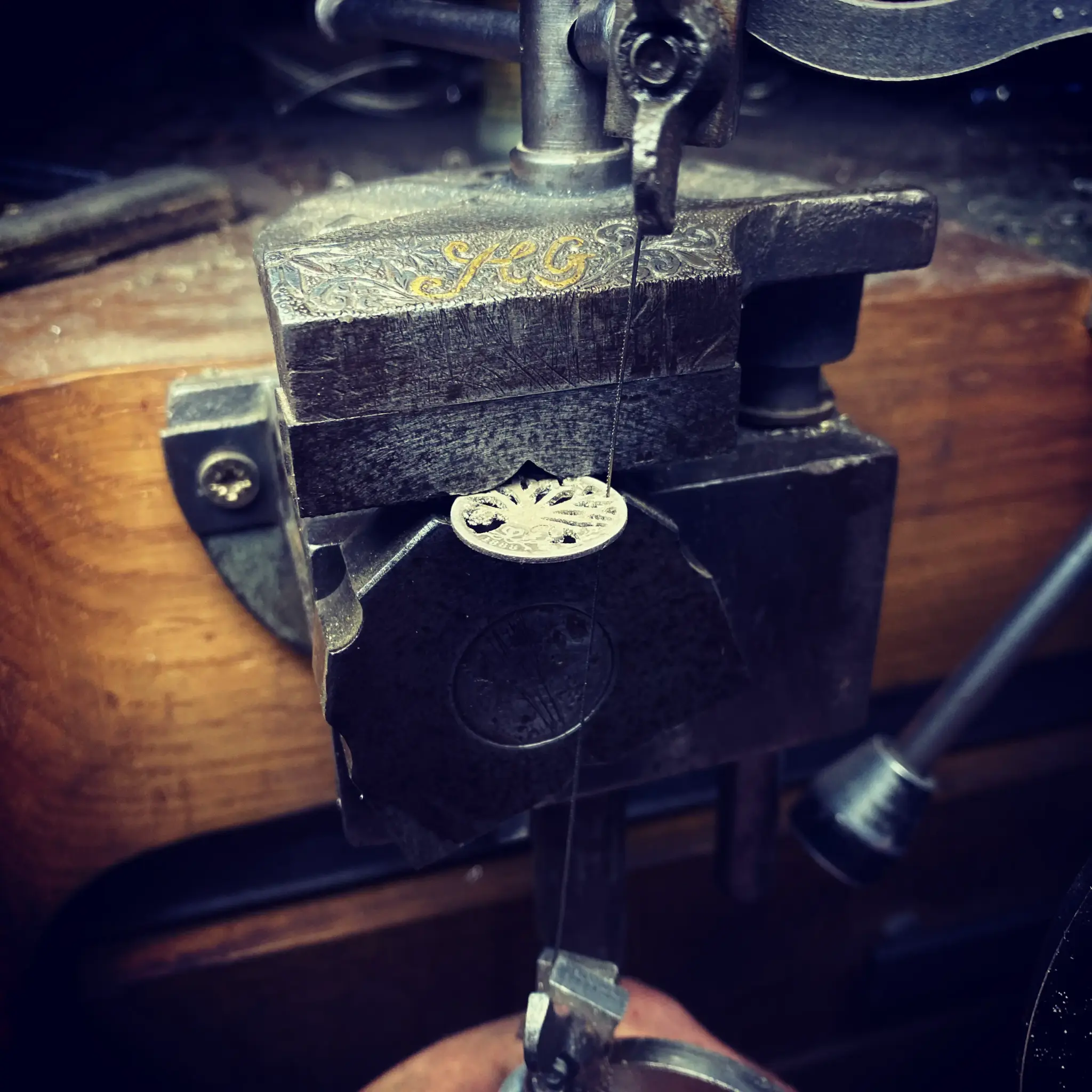
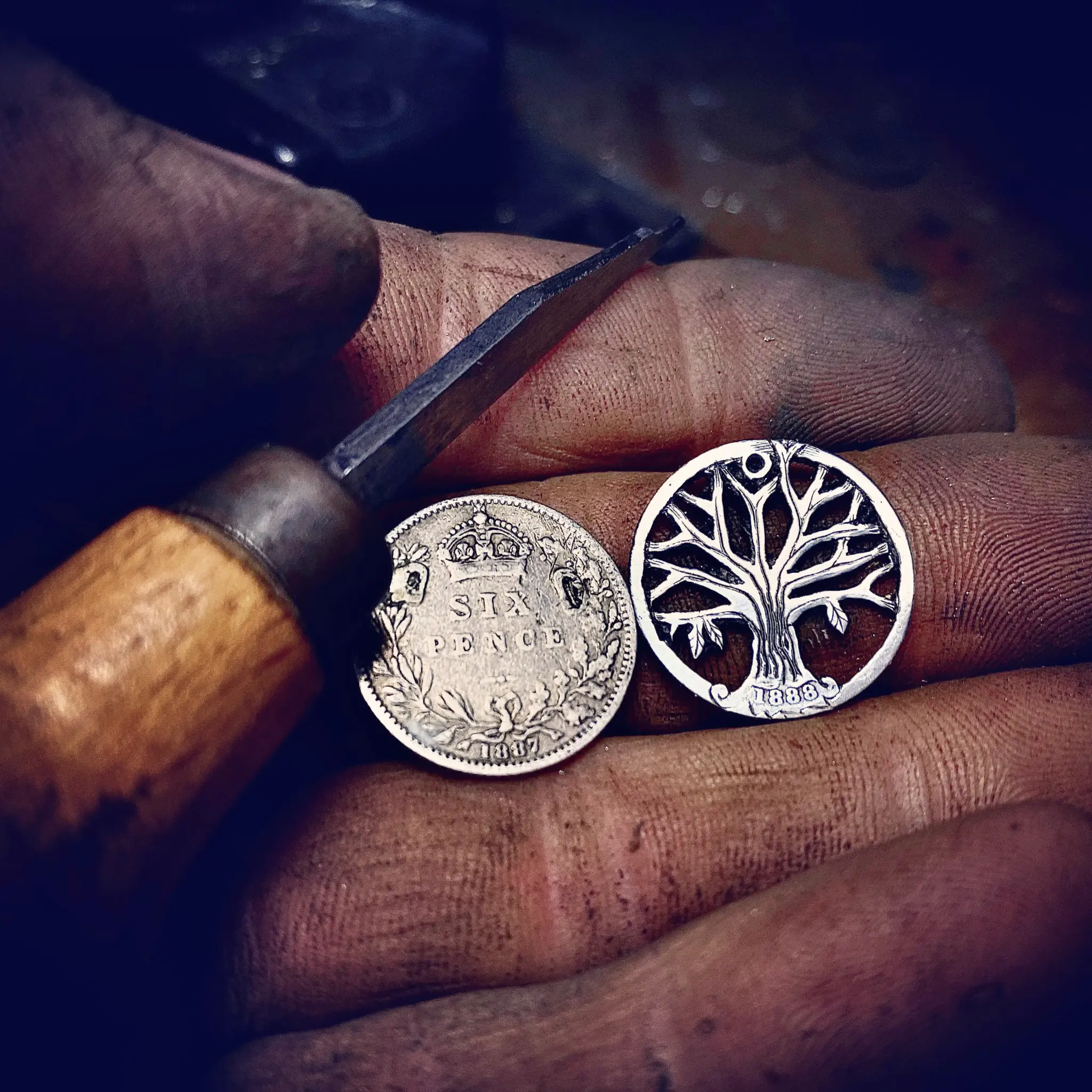
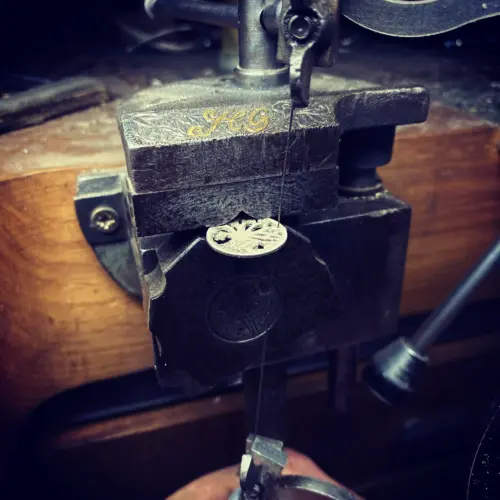
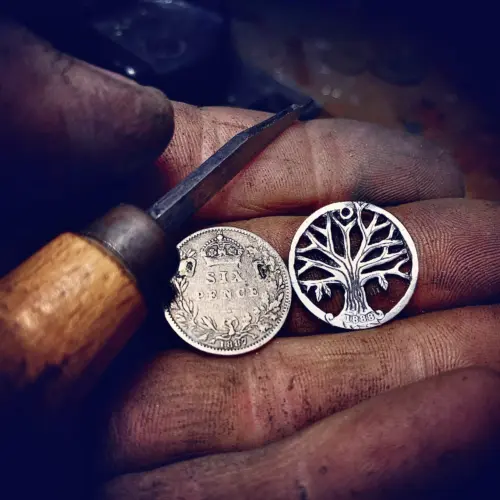
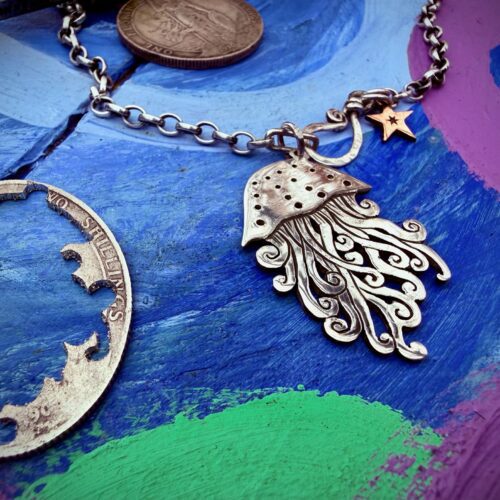
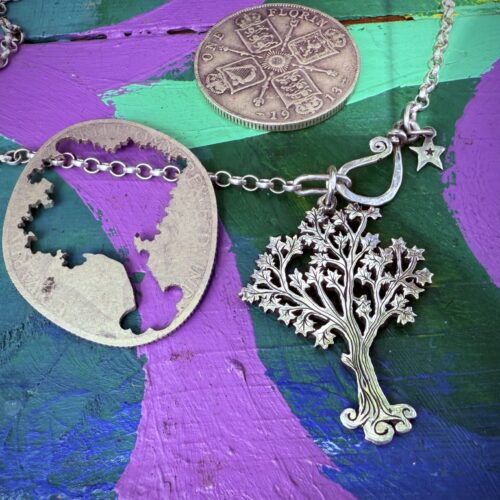
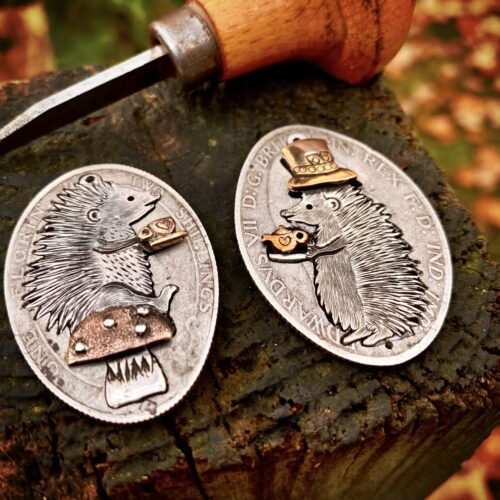
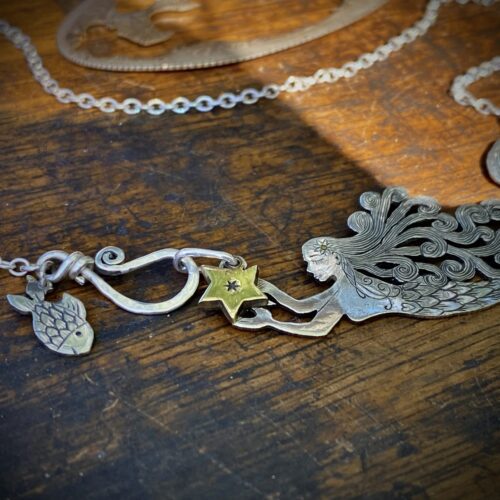
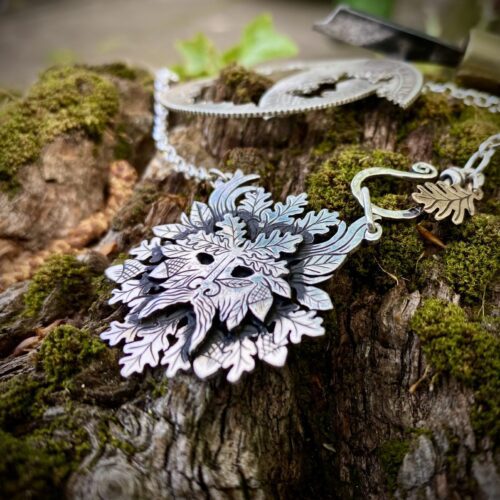
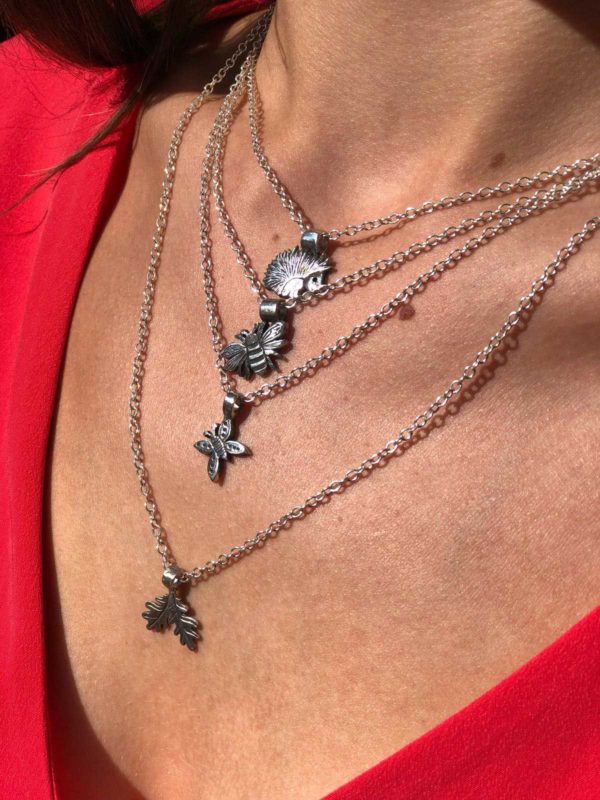
Each one of these pendants is handmade from an 100 year old silver sixpence coin. Using a marker pen a quick inspired sketch is dropped on to the surface of the lucky sixpence. I then meticulously carve away the design with a traditional hand engraving tool and cut details using a traditional jewellers saw. Once the details are cut the pendant is given an extremely bright polishing which really brings the coin to life. As I handcut each coin individually to order every one is completely unique and unusual. They look and feel special.
Autumn trees are rich with symbolic meaning, often representing change, transience, and the cycle of life and death. They can symbolize letting go of the past, making way for new beginnings, or experiencing a sense of loss and melancholy as summer fades. The vibrant colors of autumn foliage can also be interpreted as metaphors for passion, wisdom, or the beauty of impermanence.
Change and Transformation:Autumn trees, with their leaves changing color and falling, are a powerful visual metaphor for change and transformation.
They highlight the cyclical nature of life, reminding us that endings are often followed by new beginnings, just as winter gives way to spring. The shedding of leaves can symbolize letting go of what no longer serves us, making space for new growth and experiences.
Transience and Impermanence:The fleeting beauty of autumn leaves, changing and falling, emphasizes the transient nature of life and beauty. I use this imagery to encourage savoring the present moment and appreciating the beauty of things as they are, knowing that they will eventually change. The falling leaves can also symbolize the inevitability of death and the temporary nature of all things.
Letting Go and Moving On:The act of shedding leaves can be interpreted as a lesson in releasing attachments and burdens. Autumn trees encourage us to reflect on what we need to let go of in our own lives, both physically and emotionally. This process can be seen as a form of renewal, preparing us for new experiences and opportunities.
Color Symbolism:The vibrant colors of autumn leaves can be interpreted in various ways. Red leaves might symbolize passion, intensity, or even anger.
Golden or yellow leaves can represent wisdom, enlightenment, or a sense of maturity. Brown or muted colors can evoke feelings of sadness, decay, or nostalgia.
Melancholy and Reflection:Autumn is often associated with a sense of melancholy and reflection. The shorter days and longer nights can create a contemplative atmosphere.
The falling leaves can symbolize a sense of loss and the end of a cycle.
Harvest and Abundance:Autumn is also a time of harvest, representing the culmination of the year’s growth and effort. The abundance of fruits and vegetables can symbolize prosperity and reward.
This aspect of autumn can be seen as a reminder of the cycle of work and reward, sowing and reaping
The Lucky sixpence itself…
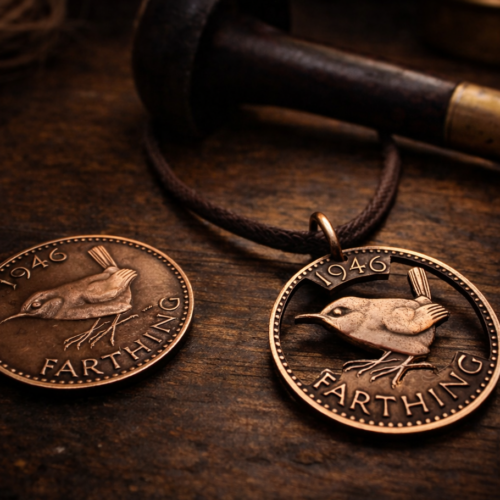
Each pendant is carefully handcrafted to order, using only these recycled sterling silver sixpence coins. The coins themselves are the perfect medium for this beautiful design, inline with a love of nature using these coins is the perfect ethical and green solution. No new silver is destructively ‘mined’, rather, old, uncollectible coins are saved from the ‘melting pot’ so some of their history and story live on.
The lucky sixpence tradition, where the coin is given as a symbol of good luck, has its roots in British history, particularly in wedding and Christmas traditions. Introduced in 1551 during the reign of Edward VI, the sixpence was a circulating coin for centuries. Its association with good luck is linked to various customs, including placing it in a bride’s shoe or including it in a Christmas pudding. The lucky sixpence lore has been firmly establish through many of our traditions. These traditions are part of the soul of our culture.
Origins of the Sixpence as a Lucky Charm:
Wedding Tradition:It’s common for a sixpence to be placed in a bride’s shoe to wish her good fortune. This practice is thought to have originated in the early 1600s when the Lord of the Manor presented the coin as a wedding gift, and later, it became a customary dowry gift.
Christmas Pudding Tradition:Another tradition involves placing a sixpence in the Christmas pudding before it’s cooked. The person who finds the sixpence in their portion on Christmas Day is said to have good luck for the coming year. This tradition is believed to have started during Victorian times, specifically on the Sunday before Advent, known as “Stir Up Sunday,” according to The East India Company Collections.
Fairies and the Sixpence:Some folklore suggests that fairies would reward a tidy maid or housewife by leaving a sixpence in her shoe.
The Sixpence’s History as a Coin:The sixpence was first struck in 1551, during the reign of Edward VI, and was initially a silver coin. It was a popular coin in British pre-decimal coinage for over 400 years. It was demonetized in 1980, but its legacy as a lucky charm endures.
The sixpence’s journey from a circulating coin to a symbol of good luck is a testament to its enduring presence in British culture and tradition.
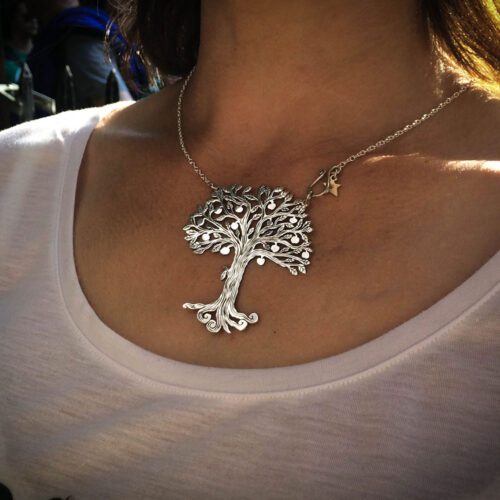
Once the wee autumn tree design has been freehand sketched on to the coin it is carefully hand cut and carved using traditional hand saws, chisels and files. This traditional process allows me to have a close connection to each piece, ensuring the end result is personal and unique.







Reviews
There are no reviews yet.