A little more detail…
Lizards often represent transformation, regeneration, and adaptability due to their ability to shed their skin and regrow their tails. They can also symbolize good luck, prosperity, or even a warning, depending on cultural interpretations and the specific context. Furthermore, their presence in dreams or specific locations can carry symbolic weight related to life force, sexuality, or cleansing, according to some interpretations.
Transformation and Regeneration:The most prominent symbolism of lizards is linked to their ability to shed their skin and regrow their tails, which is often interpreted as a metaphor for rebirth, renewal, and overcoming adversity. This ability to adapt and change can be seen as a powerful symbol of resilience and the cyclical nature of life.
Good Fortune and Prosperity:In some cultures, like Chinese culture, lizards are seen as symbols of good luck and wealth, and are often depicted in art and jewellery as such. They are also believed to bring good fortune to those who keep them as pets.
Warning and Omens:Lizard calls, particularly those of house lizards, are interpreted as omens in various cultures, sometimes signifying good or bad luck depending on the context and specific beliefs.A lizard falling on a person in Hindu belief can also be interpreted as a sign, with different body parts indicating different fortunes, according to some Hindu interpretations.
Life Force and Sexuality:In some dream interpretations, lizards can symbolize the libido, life force, and sexuality, especially when appearing in dreams related to the bathroom, a place often associated with cleansing and self-expression. The throat chakra, associated with speech and self-expression, is also linked to the lizard in some interpretations, highlighting the connection to life force and communication.
The Lucky sixpence itself…
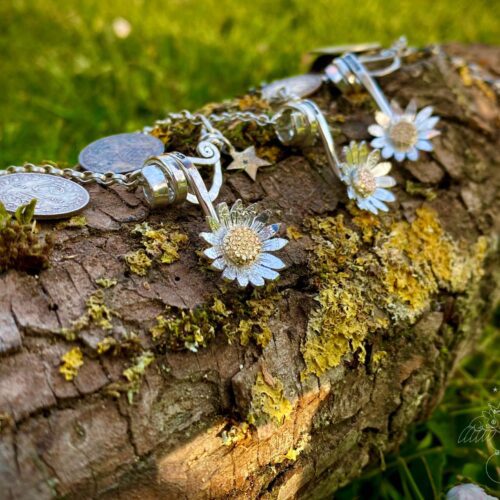
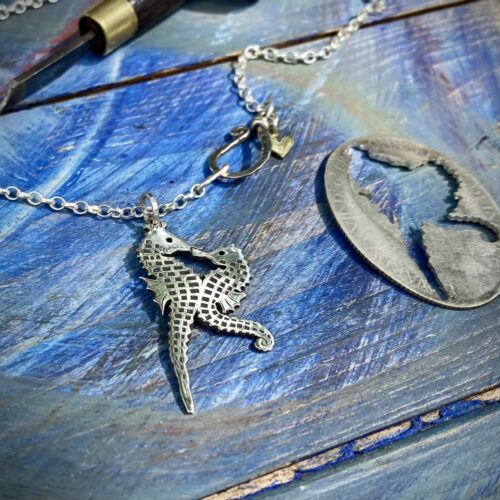
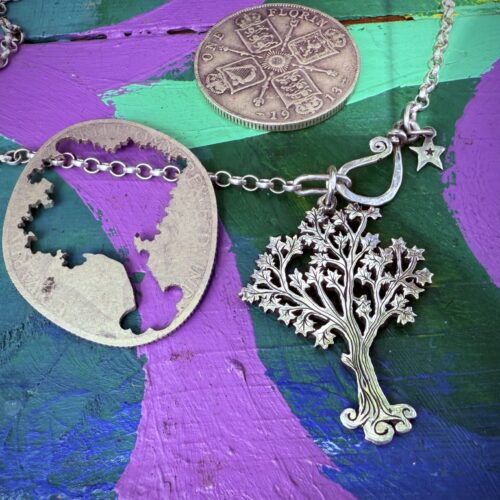
Each pendant is carefully handcrafted to order, using only these recycled sterling silver sixpence coins. The coins themselves are the perfect medium for this beautiful design, inline with a love of nature using these coins is the perfect ethical and green solution. No new silver is destructively ‘mined’, rather, old, uncollectible coins are saved from the ‘melting pot’ so some of their history and story live on.
The lucky sixpence tradition, where the coin is given as a symbol of good luck, has its roots in British history, particularly in wedding and Christmas traditions. Introduced in 1551 during the reign of Edward VI, the sixpence was a circulating coin for centuries. Its association with good luck is linked to various customs, including placing it in a bride’s shoe or including it in a Christmas pudding. The lucky sixpence lore has been firmly establish through many of our traditions. These traditions are part of the soul of our culture.
Origins of the Sixpence as a Lucky Charm:
Wedding Tradition:It’s common for a sixpence to be placed in a bride’s shoe to wish her good fortune. This practice is thought to have originated in the early 1600s when the Lord of the Manor presented the coin as a wedding gift, and later, it became a customary dowry gift.
Christmas Pudding Tradition:Another tradition involves placing a sixpence in the Christmas pudding before it’s cooked. The person who finds the sixpence in their portion on Christmas Day is said to have good luck for the coming year. This tradition is believed to have started during Victorian times, specifically on the Sunday before Advent, known as “Stir Up Sunday,” according to The East India Company Collections.
Fairies and the Sixpence:Some folklore suggests that fairies would reward a tidy maid or housewife by leaving a sixpence in her shoe.
The Sixpence’s History as a Coin:The sixpence was first struck in 1551, during the reign of Edward VI, and was initially a silver coin. It was a popular coin in British pre-decimal coinage for over 400 years. It was demonetized in 1980, but its legacy as a lucky charm endures.
The sixpence’s journey from a circulating coin to a symbol of good luck is a testament to its enduring presence in British culture and tradition.
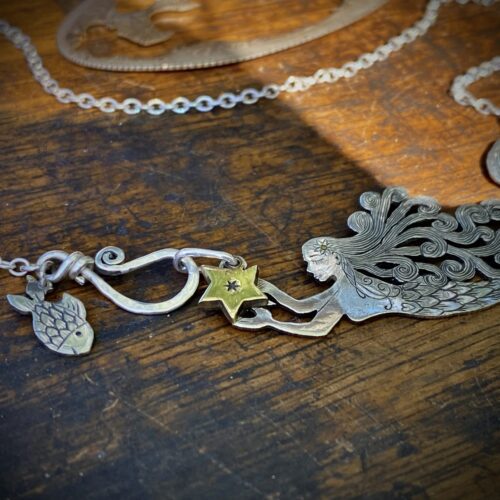
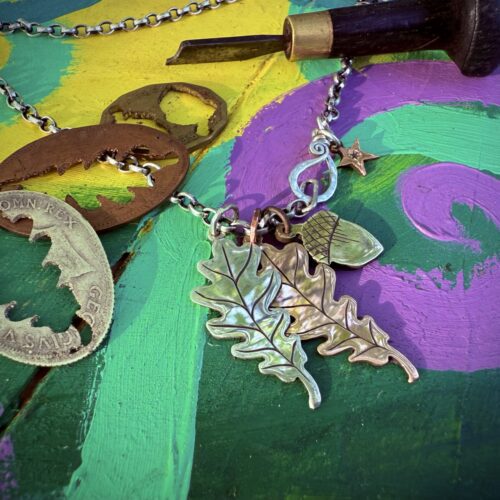
Once the wee lizard design has been freehand sketched on to the coin it is carefully hand cut and carved using traditional hand saws, chisels and files. This traditional process allows me to have a close connection to each piece, ensuring the end result is personal and unique.





Martin –
Beautifully crafted
Chose this for my wife as she has an almost identical tattoo. She loves it. Detail is amazing, you need a magnifying glass to appreciate it fully. Her initials engraved on the back is a lovely touch too. It even sparkles in the sunlight.