A little more detail…
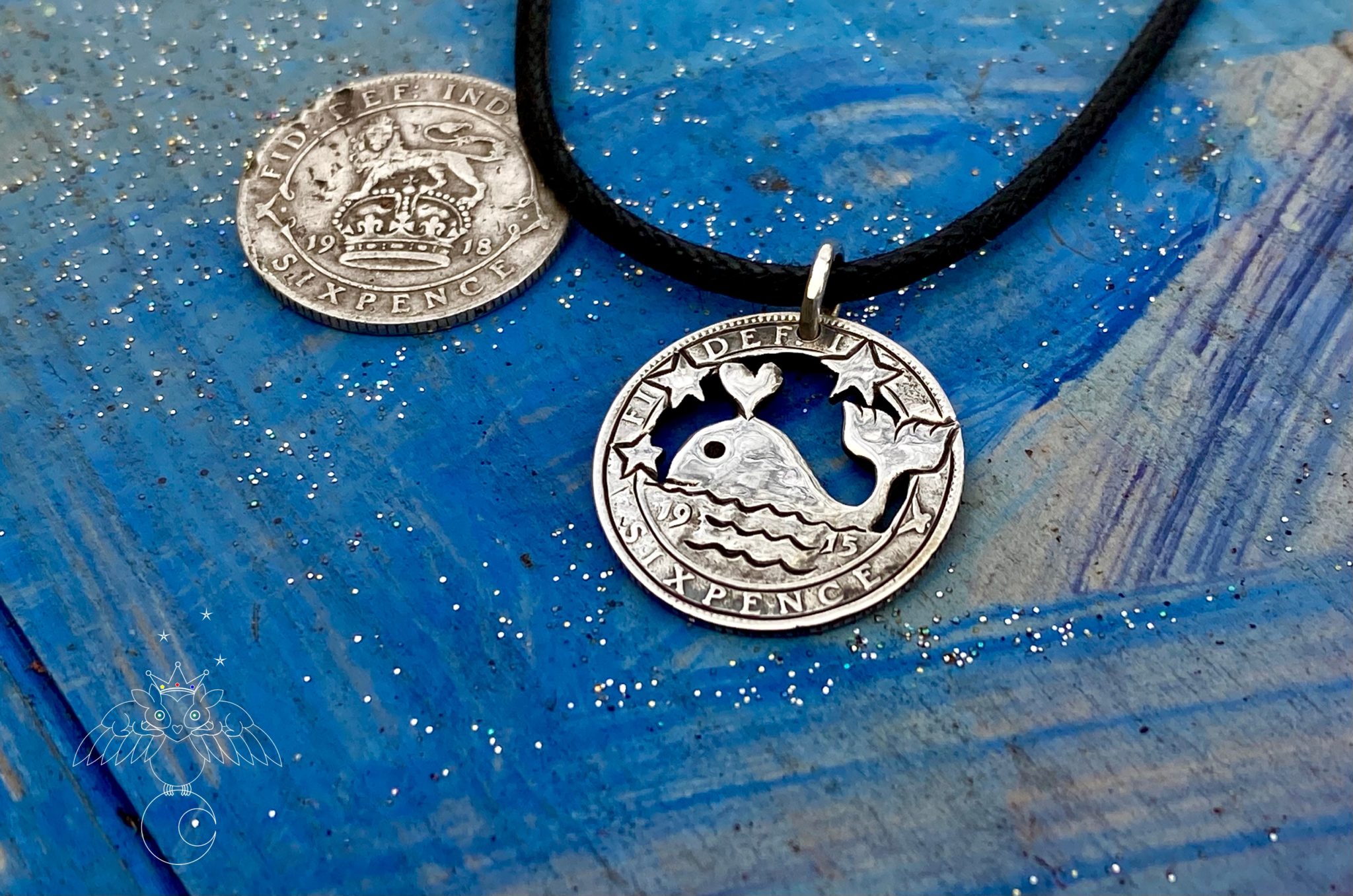
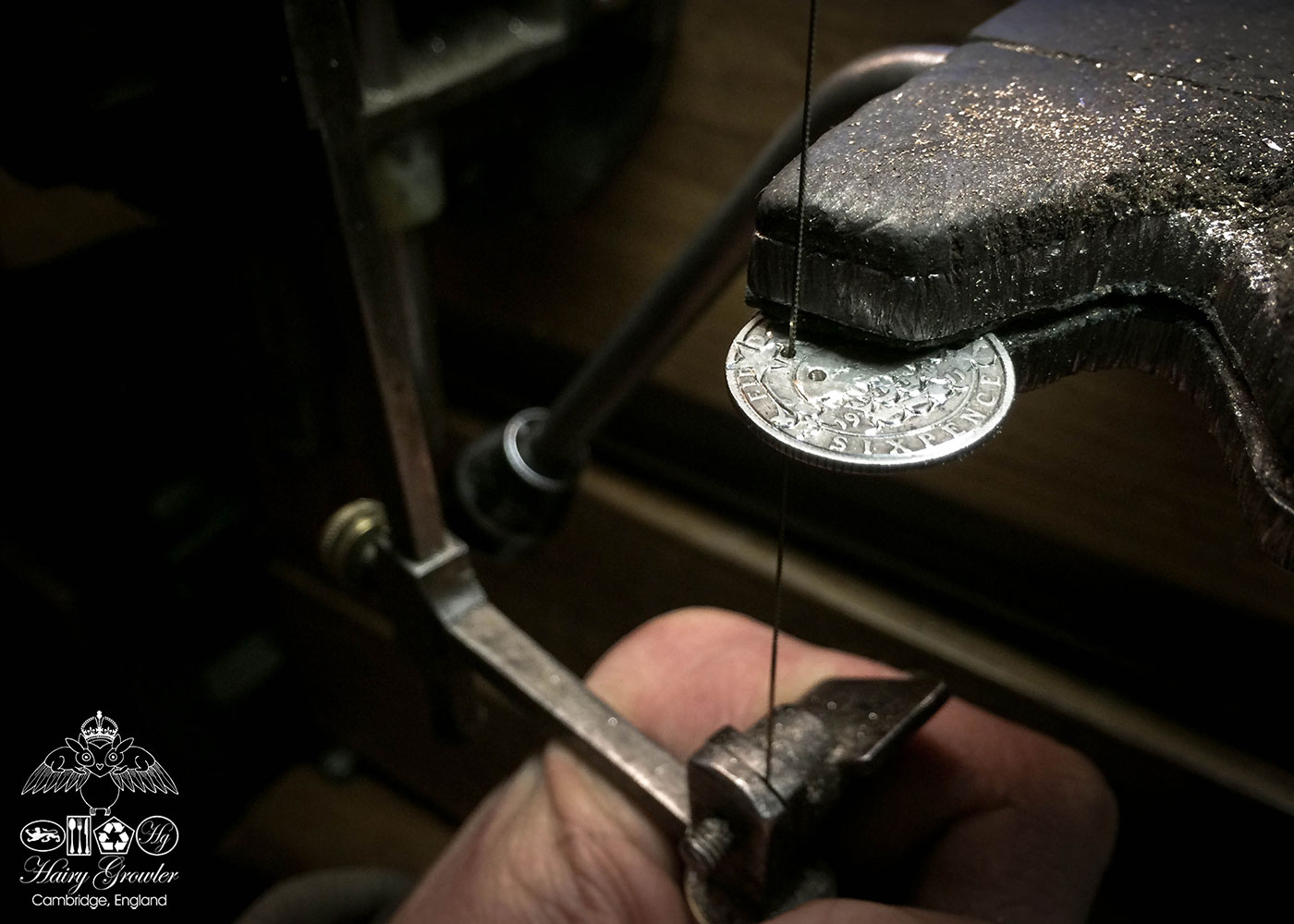
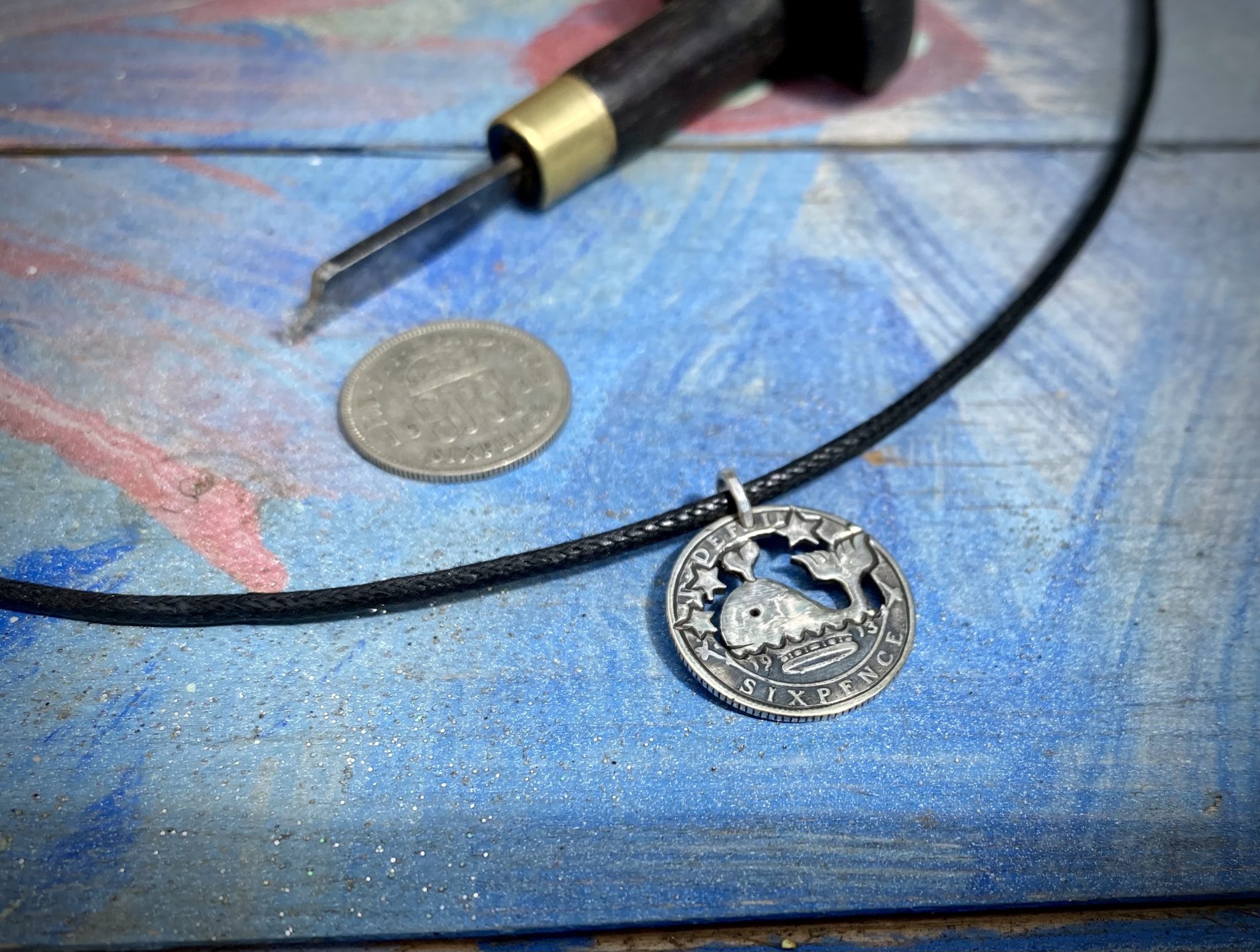
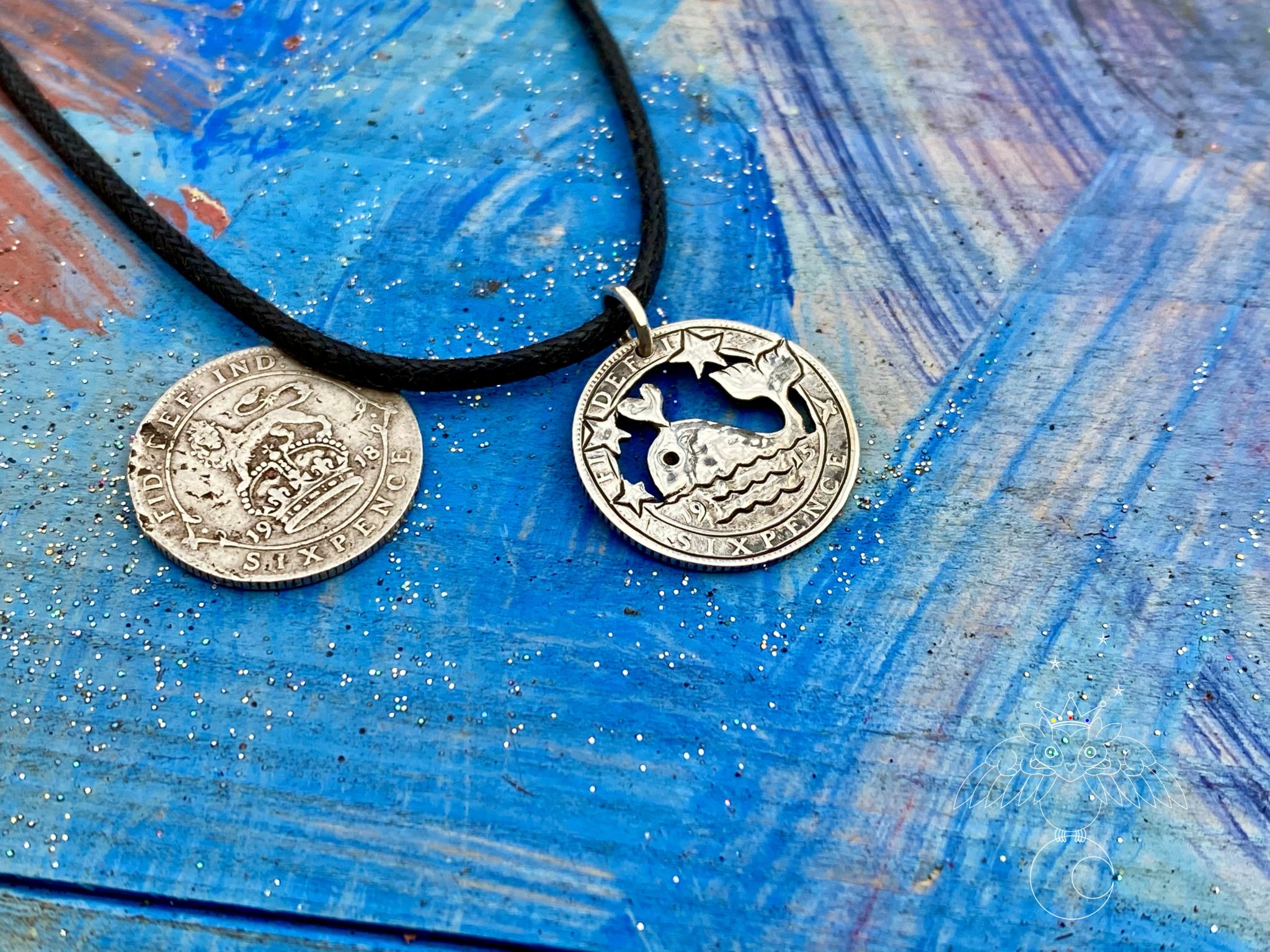
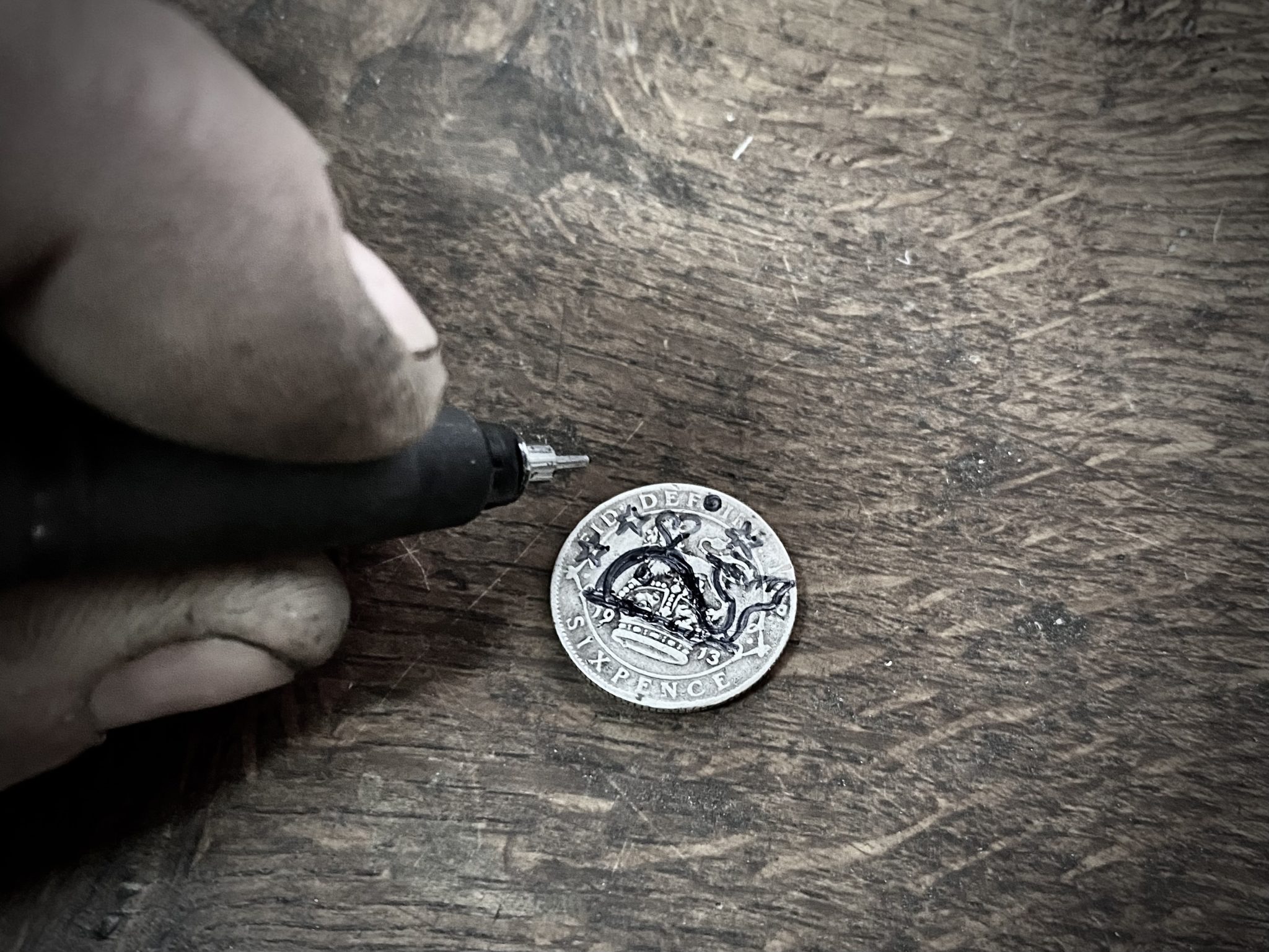
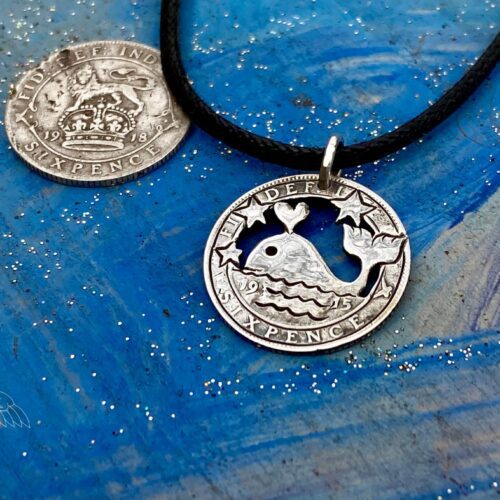
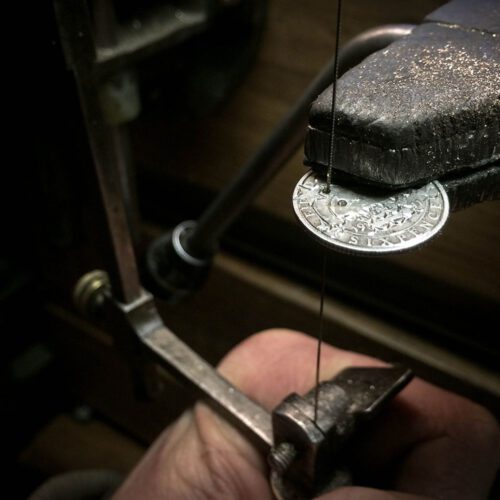
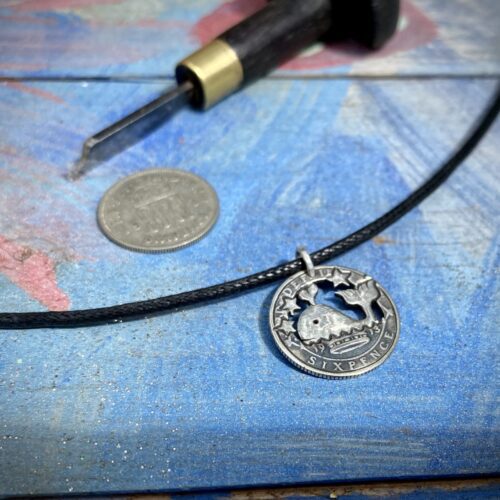
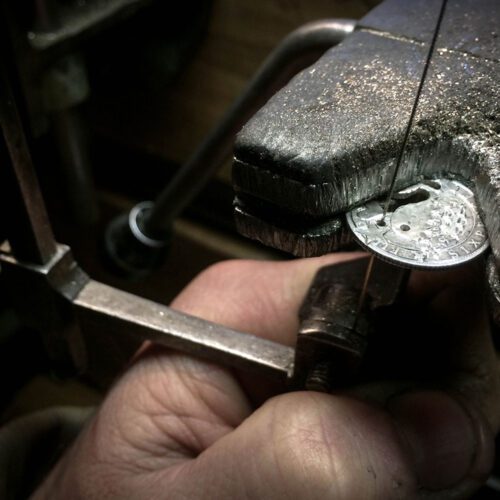
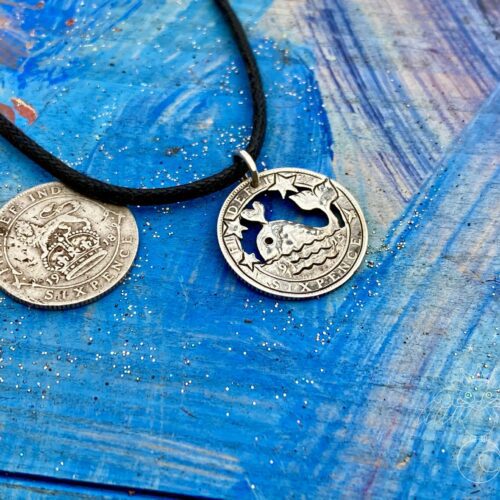
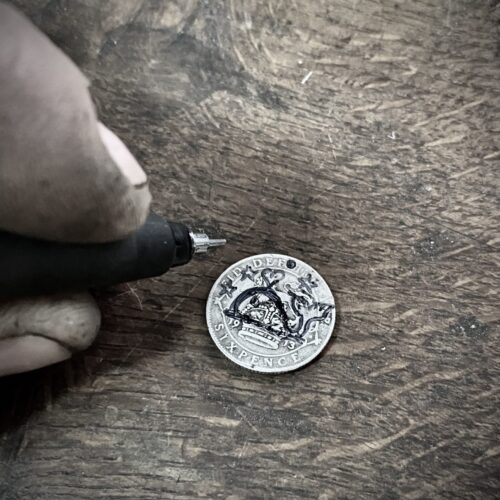
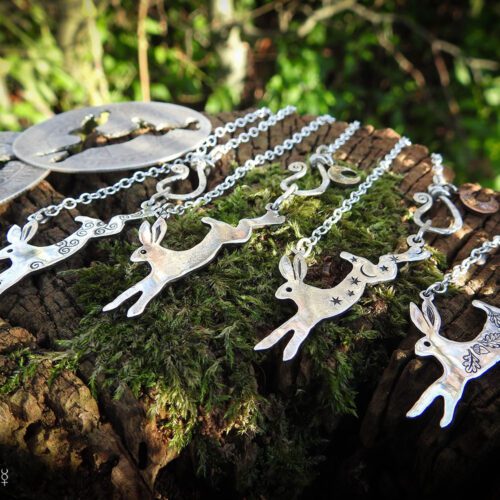
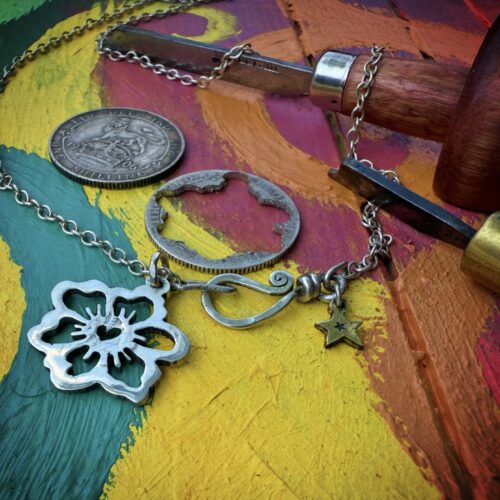
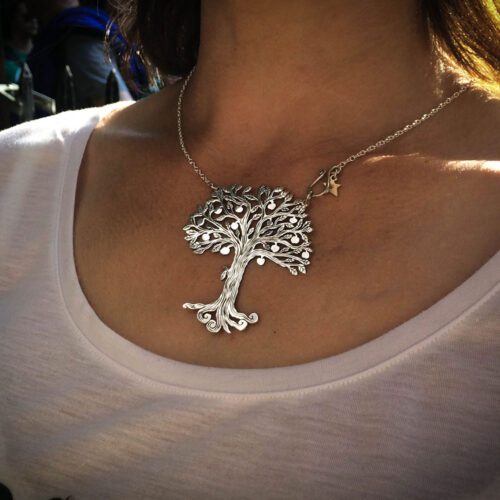
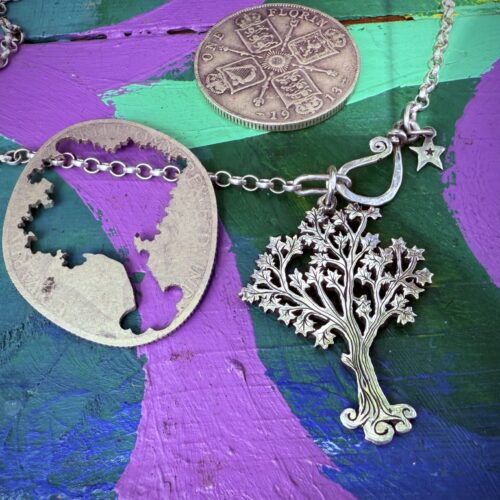
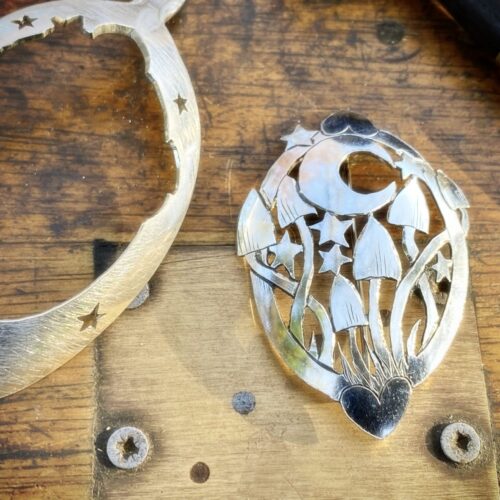
Each one of these pendants is handmade from an 100 year old silver sixpence coin. Using a marker pen a quick inspired sketch is dropped on to the surface of the lucky sixpence. I then meticulously carve away the design with a traditional hand engraving tool and cut details using a traditional jewellers saw. Once the details are cut the pendant is given an extremely bright polishing which really brings the coin to life. As I handcut each coin individually to order every one is completely unique and unusual. They look and feel special. The piece is designed to capture a sense of fun, the absurdity of trying to capture the love of such a huge animal in such a small coin.
Whales often represent strength, intuition, and the vastness of the unconscious mind. They can also symbolize emotional healing, the flow of life, and the interconnectedness of all things. They are definitely associated with wisdom, spiritual guidance, and the mysteries of the deep sea.
Strength and Resilience:The whale’s immense size and power make it a symbol of physical and emotional fortitude.
Intuition and the Unconscious:Whales, as creatures of the deep, are often linked to the subconscious mind and intuitive knowing.
Emotional Healing:The ocean’s vastness and the whale’s connection to it can symbolize emotional depth and the potential for healing.
Spiritual Guidance:Whales are seen by some as guides on a spiritual journey, offering wisdom and direction.
The Cycle of Life:The whale tail, particularly in Maori culture, can represent the cyclical nature of life, death, and rebirth.
The Unknown and Mysterious:The ocean’s depths, where whales reside, can symbolize the unknown and the mysteries of life.
Connection to Nature:Whales, as large and powerful creatures of the sea, embody the power and interconnectedness of the natural world.
The Lucky sixpence itself…
Each pendant is carefully handcrafted to order, using only these recycled sterling silver sixpence coins. The coins themselves are the perfect medium for this beautiful design, inline with a love of nature using these coins is the perfect ethical and green solution. No new silver is destructively ‘mined’, rather, old, uncollectible coins are saved from the ‘melting pot’ so some of their history and story live on.
The lucky sixpence tradition, where the coin is given as a symbol of good luck, has its roots in British history, particularly in wedding and Christmas traditions. Introduced in 1551 during the reign of Edward VI, the sixpence was a circulating coin for centuries. Its association with good luck is linked to various customs, including placing it in a bride’s shoe or including it in a Christmas pudding. The lucky sixpence lore has been firmly establish through many of our traditions. These traditions are part of the soul of our culture.
Origins of the Sixpence as a Lucky Charm:
Wedding Tradition:It’s common for a sixpence to be placed in a bride’s shoe to wish her good fortune. This practice is thought to have originated in the early 1600s when the Lord of the Manor presented the coin as a wedding gift, and later, it became a customary dowry gift.
Christmas Pudding Tradition:Another tradition involves placing a sixpence in the Christmas pudding before it’s cooked. The person who finds the sixpence in their portion on Christmas Day is said to have good luck for the coming year. This tradition is believed to have started during Victorian times, specifically on the Sunday before Advent, known as “Stir Up Sunday,” according to The East India Company Collections.
Fairies and the Sixpence:Some folklore suggests that fairies would reward a tidy maid or housewife by leaving a sixpence in her shoe.
The Sixpence’s History as a Coin:The sixpence was first struck in 1551, during the reign of Edward VI, and was initially a silver coin. It was a popular coin in British pre-decimal coinage for over 400 years. It was demonetized in 1980, but its legacy as a lucky charm endures.
The sixpence’s journey from a circulating coin to a symbol of good luck is a testament to its enduring presence in British culture and tradition.
Once the wee whale design has been freehand sketched on to the coin it is carefully hand cut and carved using traditional hand saws, chisels and files. This traditional process allows me to have a close connection to each piece, ensuring the end result is personal and unique.






Michael (verified owner) –
Made her day (along with the actual Blue Whale sightings)
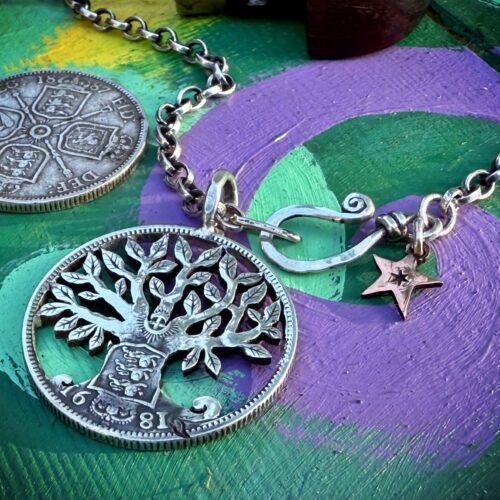
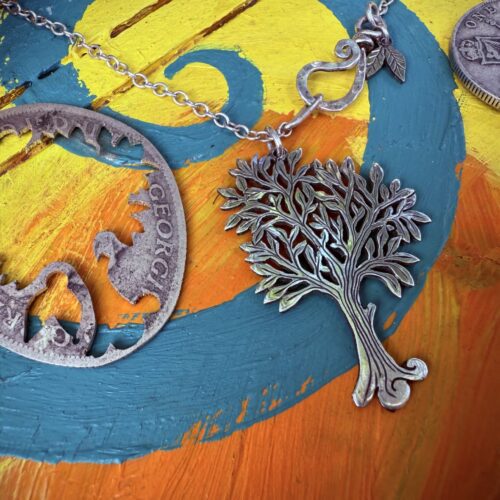
Bought this as a birthday gift for my other half. Gave it to her on the morning of our trip out into Weligama Bay in Sri Lanka to see whales and dolphins. She works for a sustainability institute in Cornwall in the UK and is focussed on marine and renewable matters so this necklace was perfect. The hand cutting of the sixpence was beautiful as was the hand made clasp on the silver chain. The little bag that it comes in is a superb finishing touch to bring the recycled ethos together. A silver sixpence is often regarded as lucky. On this day it definitely was as no whales had been seen for a few days and we got to see a blue whale within half hour of our trip out into the bay!
P.S. If you ever want to go whale watching in Sri Lanka look up Raja and the Whales. They are actively involved in marine conservation efforts with local and international organisations and take an active role in helping law enforcement through photographing at sea and contributing to court cases.
Sara –
<3<3
I’m in love with this necklace!! Haven’t taken it off since I received it!! I get tons of compliments! Thank you so so much!
Mark (verified owner) –
Fantastic quality
Stunnzing items. Fantastic service.